Launch Day Frenzies: How New Game Releases Drive Volumes in Mobile Sweepstakes Submissions
Written by Nils Bauer · Nov 12, 2026
Launch Day Frenzies: How New Game Releases Drive Volumes in Mobile Sweepstakes Submissions
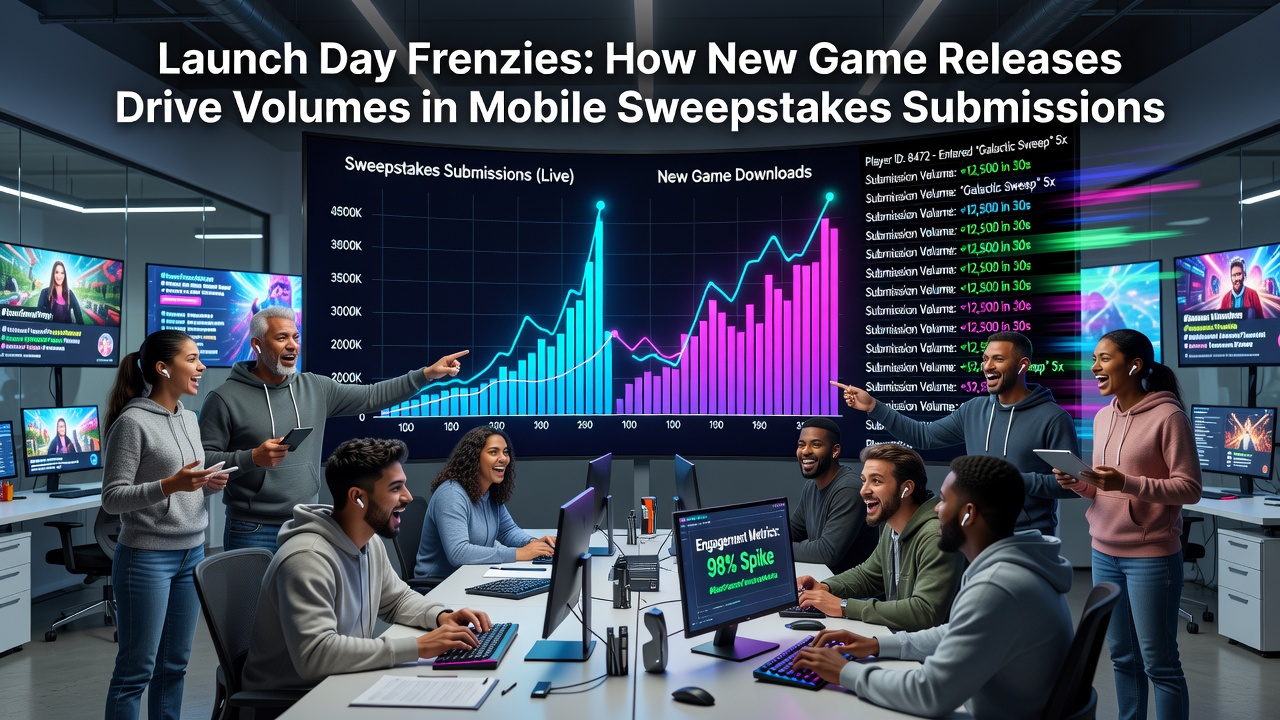
Data from mobile gaming platforms shows that submission volumes for sweepstakes tied to new releases often increase sharply within the first 48 hours after launch, with entry rates climbing as developers promote associated contests through in-app notifications and social channels. Observers note that these spikes occur because players seek additional rewards like in-game currency, character unlocks, or hardware giveaways that coincide with fresh content drops, and the pattern holds across multiple titles released in recent years.
Submission Patterns Tied to Release Schedules
Researchers tracking mobile sweepstakes activity find that entry numbers rise when developers schedule promotions around launch windows, since users already active in app stores or social feeds encounter prompts that direct them toward contest forms. Figures from industry reports indicate average daily submissions can double or triple during these periods compared to baseline weeks, particularly for free-to-play titles that rely on viral sharing mechanics to boost visibility. Those who monitor platform analytics observe that push notifications sent within the first day generate the highest click-through rates, while staggered announcements over subsequent days sustain momentum without overwhelming participants.
One analysis of entry logs from 2025 releases revealed that games launching mid-week experienced steadier growth in submissions through the weekend, whereas Friday drops produced immediate surges followed by quicker drops once initial hype faded. The reality is that mobile users often multitask between gameplay and contest participation, which compresses the time between discovery and form completion into short sessions.
Key Drivers Behind Volume Increases
Platform recommendation systems amplify discoverability when new titles trend, and data shows that sweepstakes linked directly to those titles capture overflow traffic from store pages and influencer streams. Studies indicate that cross-promotions with payment processors or accessory brands further elevate numbers because participants view entries as low-effort extensions of their existing engagement. What's interesting is how regional differences appear in timing, with European markets showing stronger afternoon peaks and North American volumes concentrating in evening hours according to aggregated timezone data.
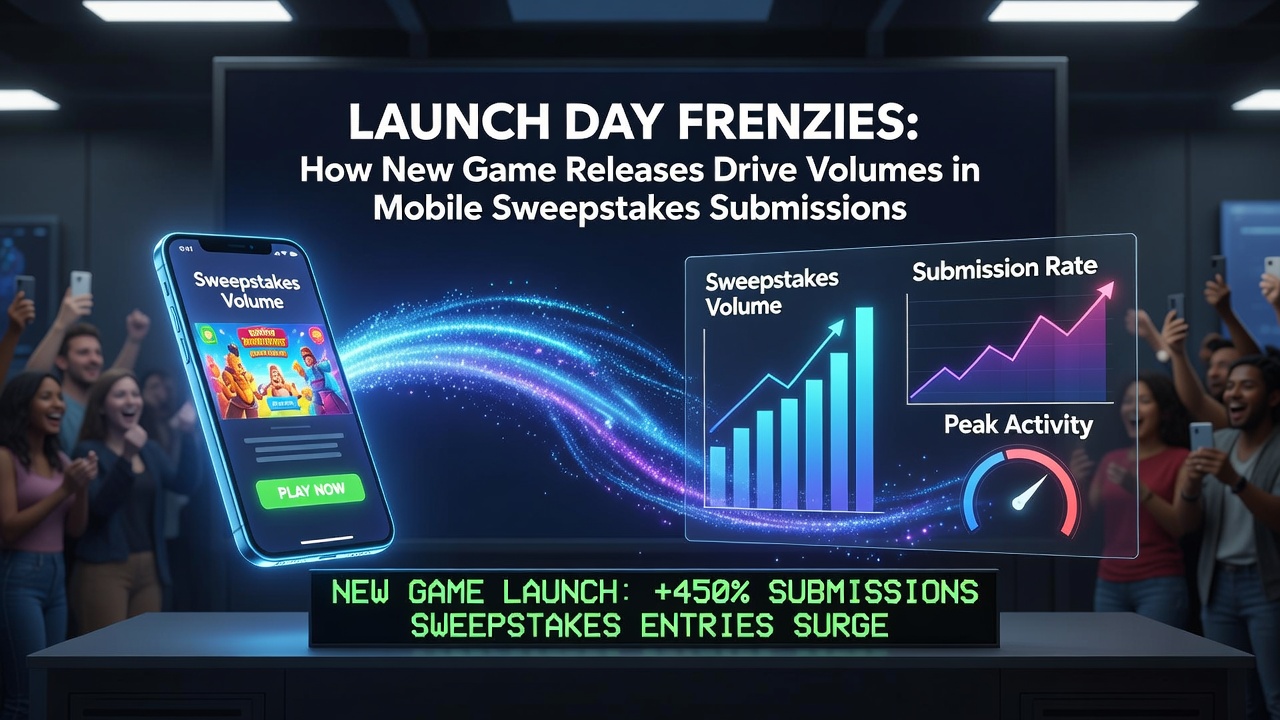
November 2026 stands out as a period with several anticipated mobile launches that industry trackers expect will test these patterns again, since holiday shopping cycles already coincide with increased device usage and contest awareness. Observers note that bundling sweepstakes with seasonal events tends to extend the duration of elevated entry rates beyond the typical two-day window. Those who've examined historical datasets point out that titles incorporating live events or limited-time modes within the first week see sustained submissions as players return repeatedly for fresh chances.
Measurement and Reporting Practices
Analytics firms compile submission metrics by correlating app download timestamps with contest form completions, and reports from the Entertainment Software Association highlight how such correlations help publishers optimize future campaigns. Government agencies in Canada have published summaries on digital contest participation that align with these gaming-specific observations, showing similar uplift patterns during product debuts across entertainment categories. Researchers emphasize that accurate measurement requires filtering out bot activity, which can inflate raw counts by up to 15 percent during peak launch days.
Longer multiplayer sessions documented in telemetry data correlate with higher submission likelihood, since extended play increases exposure to in-game prompts. Yet the connection remains indirect because many users complete entries outside active gameplay through linked social accounts or email lists. Data indicates that reminder notifications sent 24 hours after initial launch generate secondary bumps, particularly among users who downloaded the game but delayed participation.
Conclusion
Launch-day dynamics in mobile gaming continue to shape submission volumes for associated sweepstakes through coordinated timing, platform mechanics, and user behavior patterns. Evidence from multiple reporting sources demonstrates consistent correlations between release events and entry increases, with variations tied to day of week, regional habits, and promotional layering. Those tracking the space expect these relationships to persist as new titles incorporate contest elements more seamlessly into their debut strategies.