Customs Clearance Challenges for Winners of Cross-Continental PC Build Giveaways
Written by Leon Roth · Oct 1, 2026
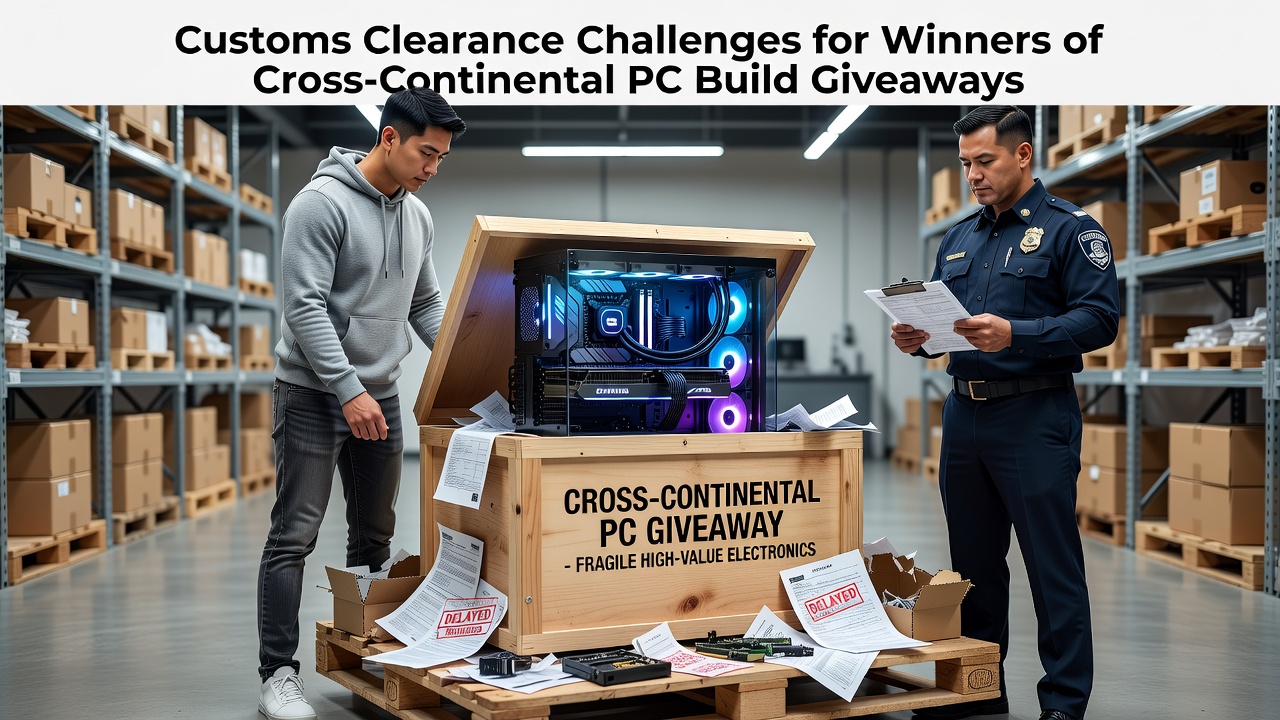
Customs Clearance Challenges for Winners of Cross-Continental PC Build Giveaways
Cross-continental PC build giveaways have expanded in scope since the early 2020s as organizers draw participants from multiple continents through online platforms and community events, yet winners frequently encounter layered customs procedures when hardware crosses borders. Data from trade monitoring organizations shows that electronics shipments valued above certain thresholds trigger declarations, inspections, and potential duties regardless of whether the items arrive as contest prizes. Observers note that components such as graphics cards, processors, and motherboards often fall under categories subject to specific tariff codes, which means winners must navigate paperwork that varies by origin and destination country.
Regulatory Frameworks Governing Electronics Imports
Countries maintain distinct rules for importing computer hardware, and these frameworks determine how quickly a prize reaches its recipient. The United States Customs and Border Protection maintains guidelines that classify assembled PCs and individual parts under different harmonized tariff schedules, requiring accurate descriptions and commercial invoices even when items are gifted through promotions. In contrast, the European Union's centralized customs system applies value-added tax calculations at the point of entry for most member states, while Australia's Border Force enforces biosecurity checks alongside duty assessments for electronic goods arriving from overseas. Research compiled by international logistics firms indicates that shipments originating in Asia and destined for North America or Europe face the highest volume of secondary reviews because of volume patterns in consumer electronics trade.
Documentation and Declaration Requirements
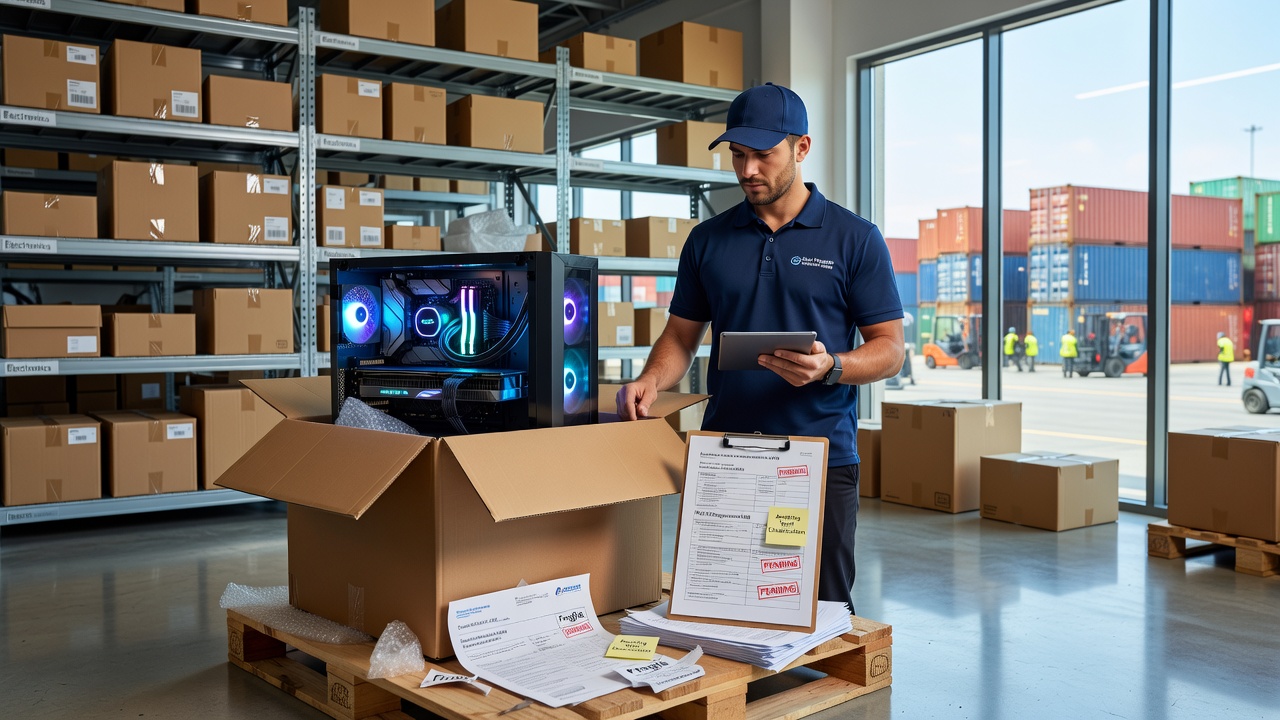
Winners receive instructions from giveaway organizers that typically include copies of purchase invoices, shipping manifests, and declarations stating the items are contest prizes rather than commercial stock. Customs authorities require these documents to verify declared values and prevent underreporting, yet incomplete submissions frequently result in holds that extend clearance times beyond the standard five to ten business days. One documented case involved a winner in Canada who received a full build from a European organizer in 2025; the package remained at a processing facility for three weeks while officials requested additional proof of the contest rules and the donor's relationship to the recipient. Similar situations arise when organizers fail to mark shipments correctly as "gift" or "prize," prompting reclassification that alters applicable fees.
Valuation, Duties, and Tax Calculations
Valuation of PC builds presents particular difficulties because individual components carry different tariff rates, and assembled systems may be assessed as finished goods. Figures released by the World Customs Organization reveal that graphics processing units and high-capacity storage drives often attract duties ranging from zero to fifteen percent depending on the importing nation's trade agreements, while power supplies and cases may qualify for reduced rates under electronics categories. Winners bear responsibility for paying these charges in most jurisdictions, although some organizers absorb costs through pre-arranged courier services that include duty handling. During October 2026, updated digital trade protocols between certain Pacific Rim nations and the European Union are scheduled to take effect, which will alter documentation thresholds for low-value shipments and potentially reduce administrative burdens for smaller prize packages.
Common Delays and Resolution Pathways
Physical inspections occur more often when shipments contain lithium-ion batteries inside power supplies or when packaging suggests high-value content, leading to extended storage periods at ports. Those who have tracked contest outcomes report that winners in remote regions experience longer transit chains, increasing the chance of temperature-related damage claims during prolonged holds. Resolution typically involves submitting corrected paperwork through licensed customs brokers, who charge flat fees or percentages of declared value to expedite release. Industry reports from logistics associations show that electronic contest prizes generate a measurable share of brokerage requests each year, particularly when multiple components arrive in separate parcels from the same donor.
Geographic Variations in Enforcement Practices
Enforcement intensity differs across regions because some nations prioritize revenue collection while others focus on intellectual property verification for branded hardware. Canadian recipients have encountered additional scrutiny when graphics cards exceed certain performance tiers, requiring end-use certificates that confirm the items will not be resold. Meanwhile, participants in Australia have navigated biosecurity declarations even for sealed electronics because packing materials sometimes trigger secondary checks. Data aggregated by academic logistics studies demonstrates that clearance success rates improve when winners maintain direct communication channels with both organizers and local customs portals from the moment shipping labels are generated.
Conclusion
Cross-continental PC build giveaways continue to connect participants across borders, yet customs clearance remains a procedural checkpoint that demands precise documentation, accurate valuation, and awareness of destination-specific rules. Winners who prepare invoices, monitor shipment status, and budget for potential duties encounter fewer interruptions, while those who overlook these steps face extended delays. Regulatory updates scheduled for late 2026 may streamline certain low-value pathways, but the core requirements for electronics imports will persist as organizers expand their global reach.